01Ground
Non-Dual Ontologies
Explore how a non-dual ontological framework supports the possibility of radical, visionary transformation.
Register
A Program in Buddhist Movement Chaplaincy
We are in need of spiritual political leaders and politicized spiritual teachers who can not only help us bear witness to suffering, but who can also provide transformative vision to help us realize our collective potential for liberation.
Recognizing an opportunity to theorize new ways of approaching the challenges our movements face from a nondual Buddhist frame, and to put the dharma in dialogue with many other movements with long spiritual and political traditions of liberatory work, this program proposes a model of Buddhist Movement Chaplaincy, called “Movement Dharma.”
This framework is relationally and spiritually grounded, politicized, visionary, and informed by movement leadership Buddhist practitioners engaged in transformative work.
The Framework
The program is organized around the Buddhist framework of ground, path, and fruit/result. Three anchoring course sessions — also known as “SU” or Supplemental Unit courses — carry participants through the arc.
Explore how a non-dual ontological framework supports the possibility of radical, visionary transformation.
RegisterDevelop transformative Buddhist skills and practices that help build and strengthen radical culture in organizations and movements.
Articulate moral, ethical, and prophetic dharmic vision to help guide and inspire liberatory work.
About the Faculty
Ground
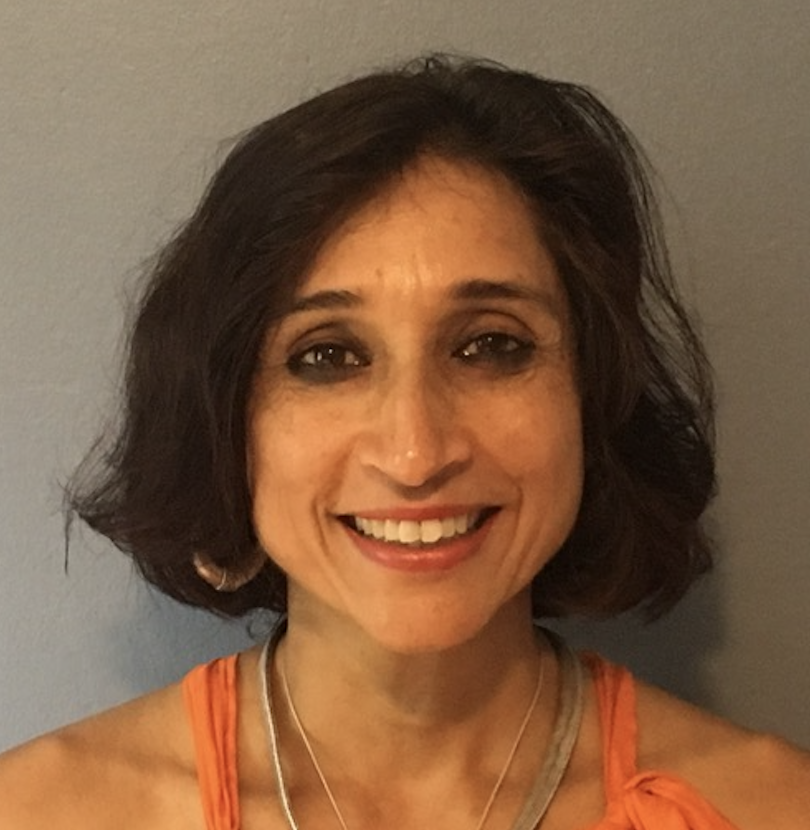
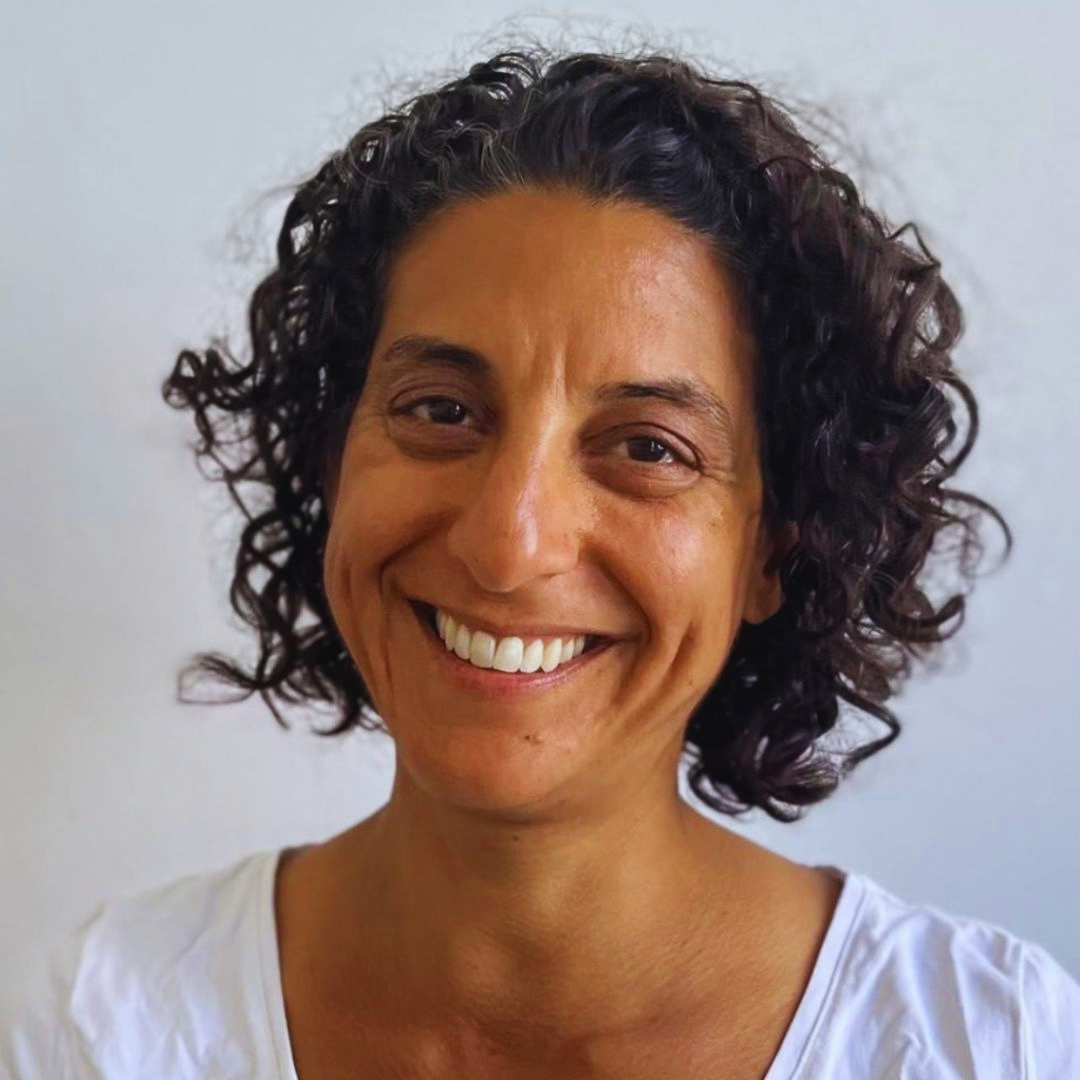
RegisterVaishali Mamgain, Ph.D. retired as an Associate Professor of Economics and the Director of the Bertha Crosley Ball Center for Compassion from the University of Southern Maine (2017–2026). She received her Ph.D. in Economics from the University of North Carolina at Chapel Hill; her past research focused on the contributions of (im)migrants and refugees in the Maine economy; her current research is in contemplative pedagogy.
A leader in contemplative education, she is passionate about deconstructing epistemology and incorporating contemplative practices to help educators create a more creative and joyful learning environment. She also facilitates compassion training and anti-oppression workshops for corporate and nonprofit organizations in the US and abroad, specializing in somatic and immersive nature training to undo oppression and help envision more equitable, loving societies.
She served on the Board of Directors of The Center for Contemplative Mind in Society and is faculty and a Board member of the Courage of Care Coalition, where she designs and facilitates trauma-informed courses. A working contemplative, she completed a three-year meditation retreat at Samten Ling Retreat Center in 2017 and now lives on an island in Maine.
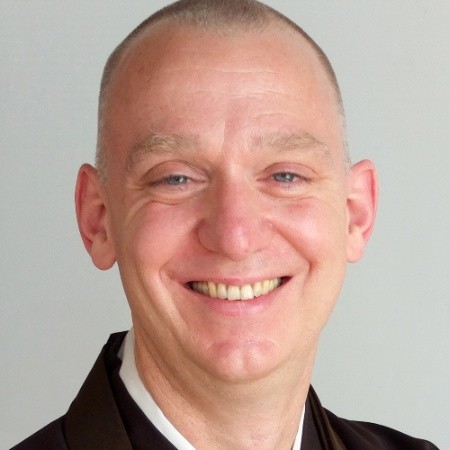
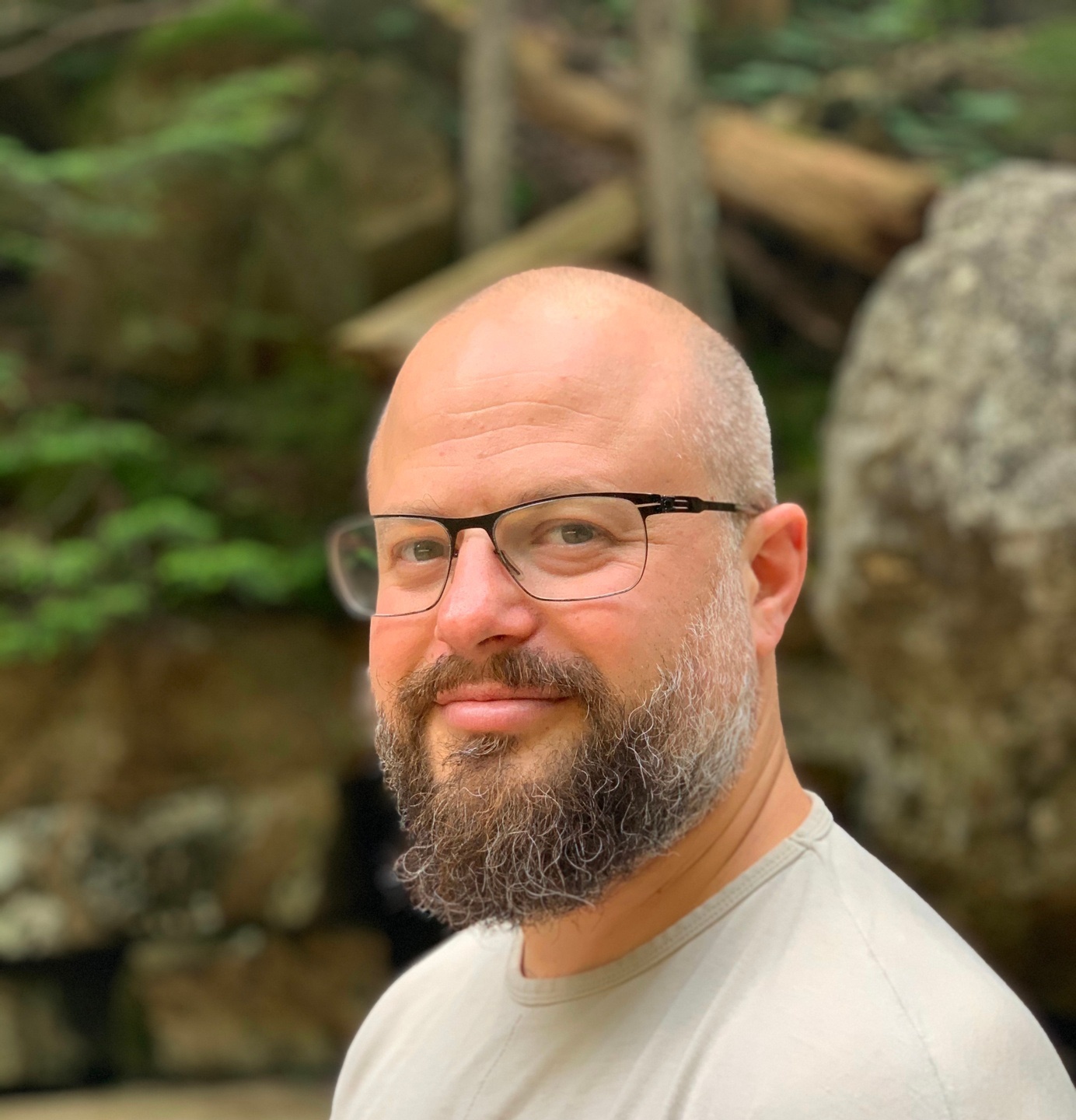
Adam Lobel, Ph.D., MDiv, holds a doctorate in Religious Studies from Harvard University and a Master of Divinity degree from Harvard Divinity School, where he helped develop a program in Buddhist Ministry. As a meditation teacher and scholar-practitioner of philosophy and religion, Adam's teachings focus on contemporary thought, Dzogchen Tibetan Buddhism, ecopsychology, and transformational politics.
A professor of ecopsychology and Buddhist psychology, he is a Guiding Teacher for One Earth Sangha, where he teaches EcoSattva Training and co-facilitates a course supporting modern Buddhist teachers in developing a radical, responsive Ecodharma. As a GreenFaith fellow, he is active in ecological and social justice movements.
Adam served as an acharya in the Shambhala community from 2005 until resigning in 2018. He lives in Pittsburgh with his partner and two sons, teaches at Chatham University, and resists the petrochemical buildout in his region. Learn more.
Path
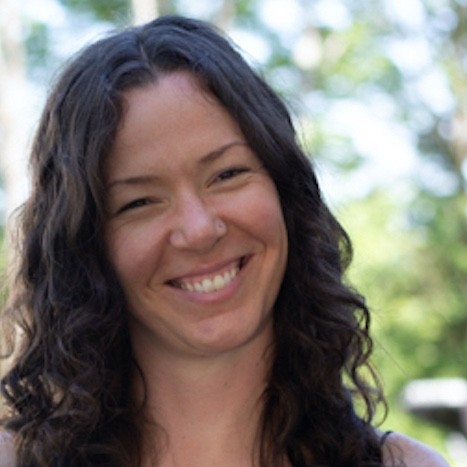
Maha El-Sheikh is the Co-Director of Courage of Care. With 20 years working in the international humanitarian sector, Maha's work focuses on the social injustices underlying our global crises. As a facilitator, she is inspired by 15 years living and working in Palestine and Lebanon, learning how connection to heart, beloved community, mutual aid, joy, and compassion can serve as antidotes to oppression, colonization, injustice, and violence.
She supports people working in the aid sector to find sustainable ways of working in the face of ongoing violence and destruction, and to seek alignment—personally and professionally—with values of love and liberation. Maha co-founded the first non-profit, volunteer-run yoga center in Palestine and brings experience in trauma-informed yoga, somatics, and meditation to explore healing, social transformation, and justice.
She has mentored numerous individuals on their healing and facilitation journeys. Maha's approach is warm, spacious, and devotional, guiding people toward healing with gentle and direct insights.
Katie Robinson (any pronouns) is a writer, facilitator, scholar, and interdisciplinary artist devoted to exploring what is present and possible outside of the white supremacist colonial imagination. Their essay, "Here's How I Let Them Come Close," was featured in A Darker Wilderness: Black Nature Writing from Soil to Stars from Milkweed in 2023.
Their recently completed dissertation, Toward a New Metaphysics of Political Struggle: Explorations into Abolitionist Subjectivities, explores abolitionist praxis as an ontological project—examining how Minneapolis-based abolitionists enact decolonial, relational worlds through creative anti-carceral practice amid escalating political violence.
Katie is a core facilitator at Courage of Care, a non-profit focused on nurturing a competent and caring field of relational facilitators committed to tending to movements for justice and liberation. More about Katie.
Result
Joseph (Joe) Loizzo, MD, PhD is a contemplative psychotherapist, clinical researcher, and Buddhist scholar-teacher who integrates ancient contemplative science with breakthroughs in neuroscience and optimal health. After training in psychiatry at Harvard and completing a Ph.D. in Buddhist Studies at Columbia, he founded Nalanda Institute for Contemplative Science, which trains people in contemplative skills informed by practical neuropsychology to cultivate a wise mind, warm heart, and altruistic way of life.
On faculty at Weill Cornell Medical College and the Columbia University Center for Buddhist Studies, Dr. Loizzo lectures on meditative learning in the future of health, education, and leadership. He teaches at Nalanda Institute, Tibet House US, and Nalanda Institute hubs internationally, and has published widely on contemplative science.
His books include Nagarjuna's Reason Sixty with Chandrakirti's Commentary, Sustainable Happiness, and Advances in Contemplative Psychotherapy. He has a private psychotherapy practice and lives with his family.
Sumitra Rajkumar cut her movement-building teeth in the racial justice uprisings of the mid-90s. The fierce collective dignity of those times instilled a lifelong commitment to justice. Over multiple decades, she has produced documentary work with youth, run intergenerational popular and political education workshops, supported a range of groups, and continued to innovate a politicized somatics practice connecting embodied values to social transformation.
She has applied this fifteen-year practice to leadership development and therapeutic support for organizers, cultural workers, and social justice organizations. Sumitra now works at The Action Lab at the intersection of educational and cultural strategy through training methodology for social movements. Her labor of love is The Art of Purpose, a fellowship weaving together the political, emotive, and creative as an organizing force toward a better world.
Program Leadership
Program Leadership
Program Leadership
Faculty
Faculty
Faculty
Faculty
Faculty
Faculty
Will be recorded.
With Adam Lobel, Ph.D. and Vaishali Mamgain, Ph.D.
RegisterWith katie robinson, Ph.D. and Maha El-Sheikh, MSc
With Joe Loizzo, M.D., Ph.D. and faculty, TBD
Professional Certificate Program (PCP)
In addition to the three core course sessions, participants deepening their study through the Professional Certificate Program (PCP) attend online gatherings on Wednesdays from 5:00–6:30pm ET.
Professional Certificate Program (PCP) participants receive additional course materials and are invited to schedule two 45-minute coaching sessions with the Movement Dharma facilitation team. Housing at Teachers College is available as an optional $475 add-on for three nights during the February in-person course: Friday, Saturday, and Sunday evenings. To complete the PCP, participants must attend all course sessions and online gatherings, and complete a final project and presentation to the cohort.
Our Host and Home
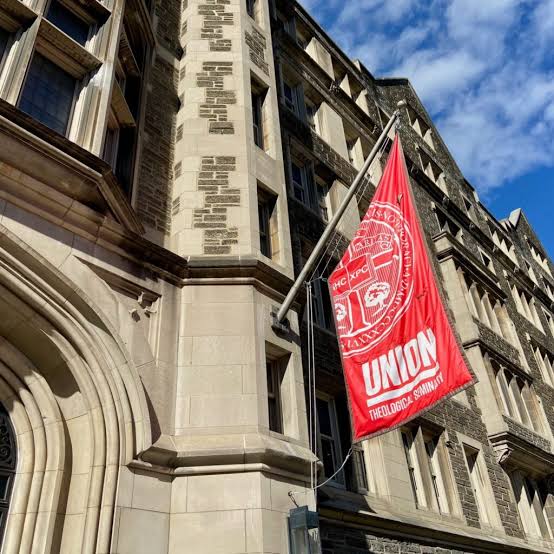
Movement Dharma is hosted at Union, whose Buddhism and Interreligious Engagement field asks how we understand social justice through a dharmic lens, how we engage one another’s faiths without causing harm, and how we orient spiritually in a time of climate instability.
Visit the Buddhism ProgramTNHEB promotes academic and public education cultivating diverse Buddhist responses to pressing social issues — violence, climate change, racism, poverty and economic inequality, incarceration, gender and sexuality, and religious pluralism.
Union offers the M.Div. and M.A. in Buddhism and Interreligious Engagement, preparing students for Buddhist ministry and chaplaincy in universities, hospitals, and prisons, and for organizing and advocacy.
Each year the program convenes public lectures, panels, and colloquia, including “Buddhism in the Public Square,” gathering scholars, dharma teachers, community organizers, and activists.
Join the Professional Certificate Program (PCP) cohort, or register for individual course sessions as your work allows. Reduced-cost and scholarship seats are available by application.
Registration deadline November 2. Five reduced-cost/scholarship seats available via application. Optional Teachers College housing is $475 for three nights during the February in-person course: Friday, Saturday, and Sunday evenings.
Apply for the PCPRegister for individual lifelong learning course sessions as your work allows.
Frequently Asked Questions
The Professional Certificate Program (PCP) is a structured cohort pathway that moves through the full ground, path, and fruit arc as a learning community. PCP participants receive additional course materials, join online integration gatherings on Wednesdays from 5:00–6:30pm ET, and schedule two 45-minute coaching sessions with the Movement Dharma facilitation team.
Completing the PCP means finishing all course sessions and online gatherings and presenting a final project to the cohort — earning a certificate that recognizes your training in politicized Buddhist spiritual leadership.
À la carte registration lets you take individual course sessions ($300 each) as your time and work allow, with no further commitment. It is a flexible way to engage the material without joining the cohort.
The Professional Certificate Program (PCP) is a full-cohort experience ($1,500) that includes all three course sessions, the online integration gatherings, coaching sessions, additional materials, and a final project presentation that earns the certificate. The PCP is for those who want the complete, guided pathway and the credential.
Movement Dharma is for spiritual leaders, chaplains, organizers, educators, clinicians, and movement practitioners who want to develop a politicized, Buddhist-grounded approach to spiritual leadership. It is designed for those working at the intersection of contemplative practice and justice, in contexts such as chaplaincy, organizing, advocacy, ministry, and community care.
Whether you are new to this work or deepening an existing practice, the program offers both an entry point (à la carte) and a committed cohort pathway (PCP).
The December (Ground) and April (Fruit) course sessions are hybrid — you may join in person or via Zoom. The February (Path) course session is in person required. Optional housing at Teachers College is available as a $475 add-on for three nights during the February course (Friday, Saturday, and Sunday evenings).
Housing is not automatically provided. For the February (Path) in-person course, optional housing at Teachers College is available as a $475 add-on for three nights (Friday, Saturday, and Sunday evenings). You may select this option when registering. Participants are otherwise responsible for their own lodging for the duration of any in-person session.
Yes. The PCP application includes an optional question about unique financial circumstances for requesting a scholarship. Five reduced-cost and scholarship seats are available for the cohort. À la carte course registrations are offered at a single per-course rate.
No. If you have applied to the Professional Certificate Program (PCP), you do not need to register for individual courses before you receive your admission decision. You may wait until after the decision is announced to register.
If you choose to register for an individual course in advance, any course fees you have paid will be credited toward your PCP tuition.